The Hidden Complexity of Basement Finishing You Don’t See on Pinterest
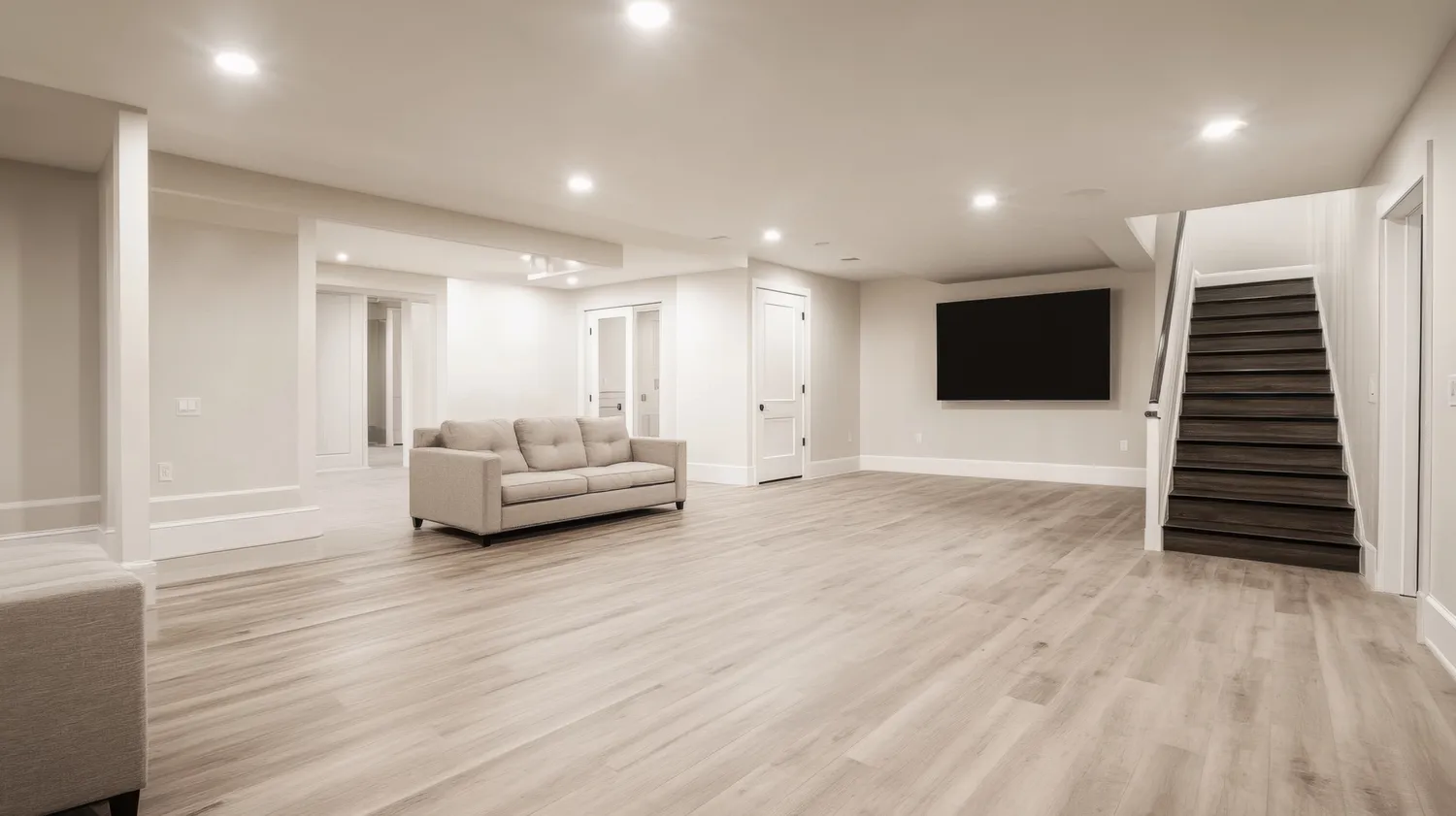
At first glance, basement finishing looks simple. Social media platforms like Pinterest are full of bright, polished underground living spaces—home theaters, gyms, guest suites, and cozy lounges that seem to appear effortlessly from unfinished concrete. But what those images rarely show is the level of planning, engineering, and problem-solving required to make those spaces actually work in real life.
The reality begins with the structure itself. Basements are below grade, which means they constantly interact with soil, moisture, and temperature changes. Before any design choices are made, professionals have to evaluate waterproofing conditions, insulation performance, and potential air circulation issues. Without this foundation, even the most beautiful finishes can deteriorate over time.
Another hidden challenge is lighting. Unlike above-ground rooms, basements lack natural light sources, which means every lighting decision has to be intentional. Layered lighting strategies—ambient, task, and accent—are essential to avoid a space that feels flat or enclosed. This is where experience makes a significant difference, turning a dark area into something warm and inviting.
Many homeowners begin their journey with inspiration, often searching for ideas like basement remodeling near me Des Plaines when they start realizing their space has potential beyond storage. Others explore options such as basement remodeling near me Park Ridge, comparing styles and imagining how their own basement could be transformed into something functional and beautiful.
What Pinterest doesn’t show is how much technical coordination happens behind the scenes. Electrical planning, plumbing adjustments, code compliance, and moisture management all need to align perfectly before the first sheet of drywall goes up. Even small mistakes at this stage can lead to long-term issues that are expensive and disruptive to fix later.
Another overlooked factor is layout efficiency. A basement is often an irregular space with structural columns, low beams, and limited window placement. Designing around these constraints requires creativity and technical skill to ensure every square foot serves a purpose without feeling cramped or awkward.
This is why professional involvement is so important. Experienced teams don’t just build what looks good—they design spaces that function properly for years. They anticipate problems before they appear and ensure that the finished basement feels like a natural extension of the home, not an afterthought.
In the end, basement finishing is far more complex than the polished images suggest. But when done correctly, it transforms an overlooked area into one of the most valuable and enjoyable parts of the entire house.